
Le designer italien Gaetano Pesce, disparu le 3 avril 2024 à New York à l’âge de 84 ans, laisse derrière lui une œuvre audacieuse, colorée et engagée, où chaque objet est un manifeste.
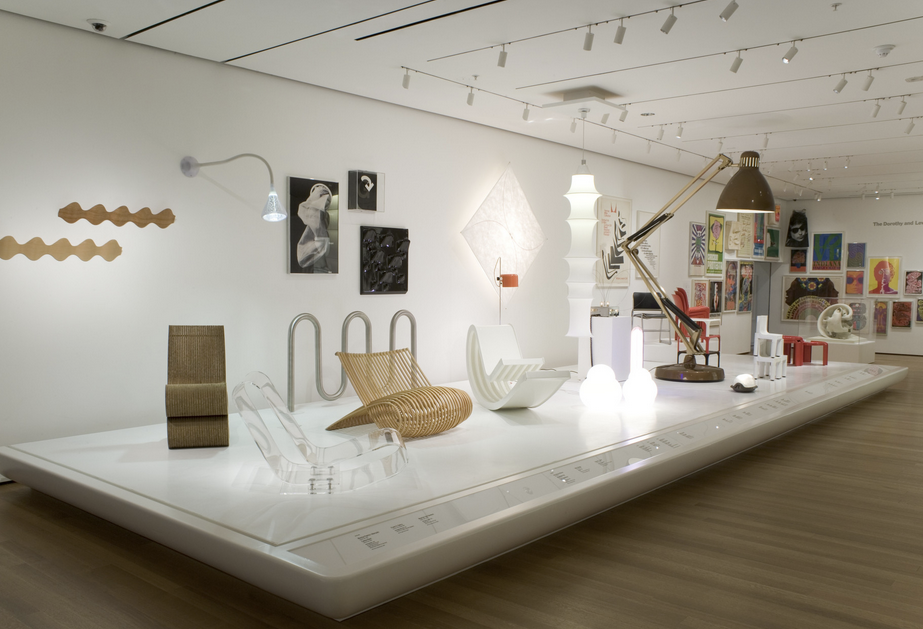
Parmi ses créations marquantes, la Moloch Lamp occupe une place emblématique. Conçue en 1971–72, elle est née d’une idée radicale : agrandir par quatre le célèbre modèle de lampe de bureau Luxo, pour en faire un luminaire monumental adapté aux espaces publics. Rejetée par Cassina, jugée trop subversive, elle fut finalement produite par Bracciodiferro et présentée au MoMA en 1972, lors de l’exposition Italy: The New Domestic Landscape — une consécration qui en fit un objet de collection d’une portée symbolique au-delà de la simple esthétique.
Cette démarche de Pesce, qui brouille les frontières entre l’art, le design et la critique sociale, se retrouve dans d’autres œuvres comme la série UP — ce fauteuil en forme de corps féminin relié à son pouf, véritable manifeste féministe sur la condition des femmes. Toujours attaché à la notion de diversité, Pesce prônait un design qui affirme l’individu et la différence, contre l’uniformité industrielle.
Matériau de prédilection de Pesce, la résine incarnait cette dualité entre modernité et mémoire. Il la qualifiait de "matériau naturel" car issu du pétrole — une manière de revendiquer son époque avec sincérité, d’y inscrire une empreinte temporelle tout en jouant avec la couleur, les coulures, l’aléatoire.
Après sa disparition, plusieurs hommages et rééditions ont souligné la pérennité de son influence. Le Salon du meuble de Milan 2024 a mis à l’honneur ses pièces emblématiques, rappelant combien son héritage reste profondément contemporain.
La Moloch Lamp demeure plus qu’un luminaire monumental : elle incarne l’idée que le design peut être politique, poétique, provocateur et libérateur. Pesce a su faire des objets les témoins vivants d’une époque, où chaque forme et chaque matériau peuvent interroger, émouvoir et éveiller la conscience.
Achille