The Design Culture Webzine

Designer profiles, design news, iconic furniture & more.

Living: When Furniture Structures Space

Living with design furniture is not only placing beautiful pieces in an interior. It is choosing forms, materials and presences that transform the way we inhabit a place.

A piece of furniture is never isolated. It acts on the space around it.

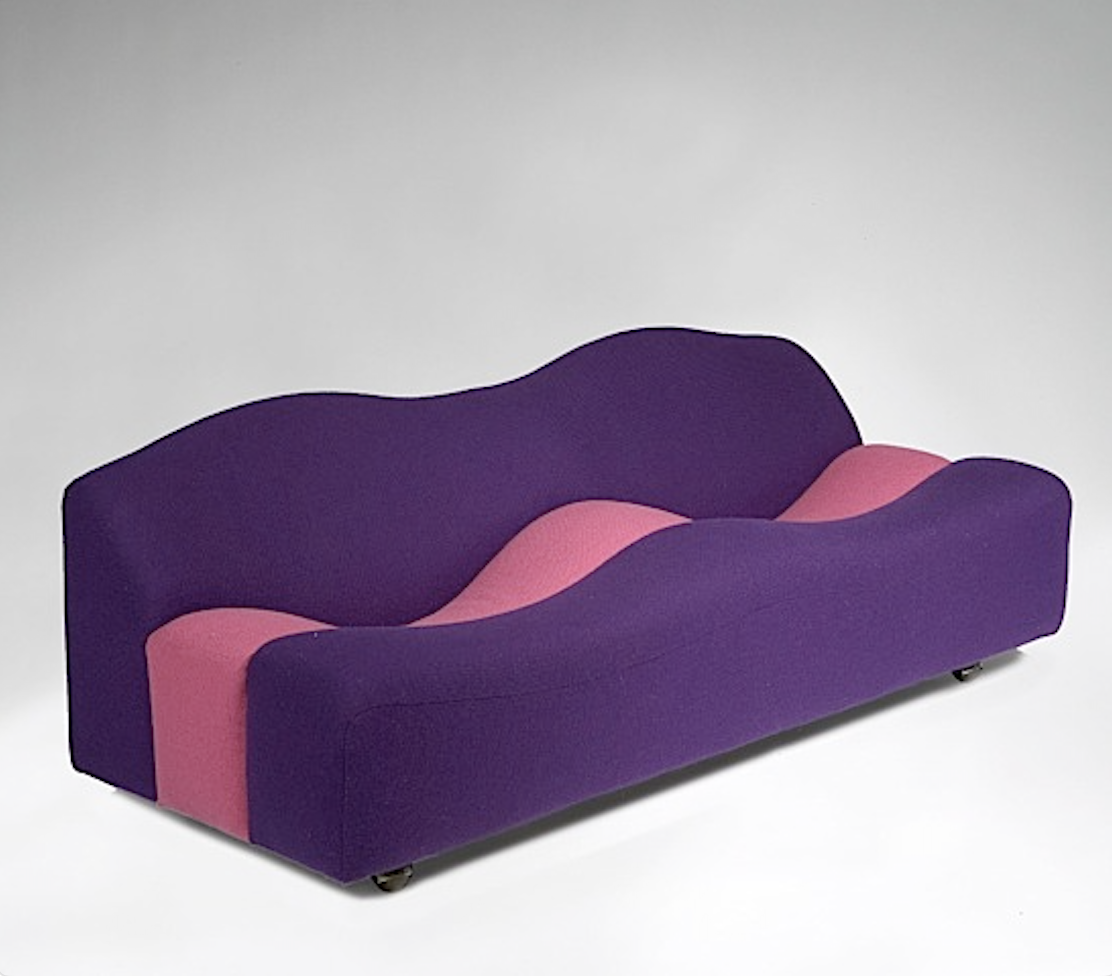
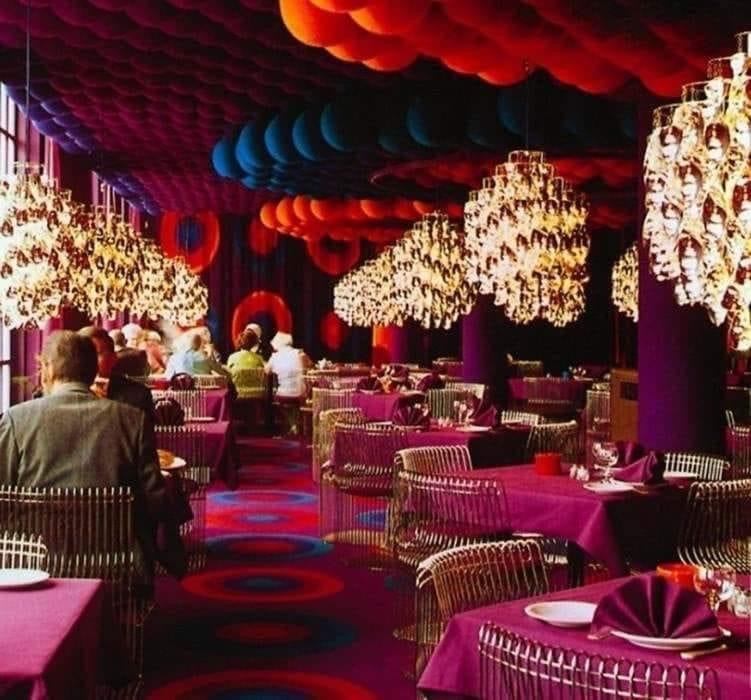
Verner Panton

One of the boldest Danish designers of the twentieth century, Verner Panton turned color and plastic into true tools of experimentation.

With his sculptural chairs and immersive interiors, he pushed the boundaries of traditional Scandinavian design to imagine a vibrant and radically modern universe.

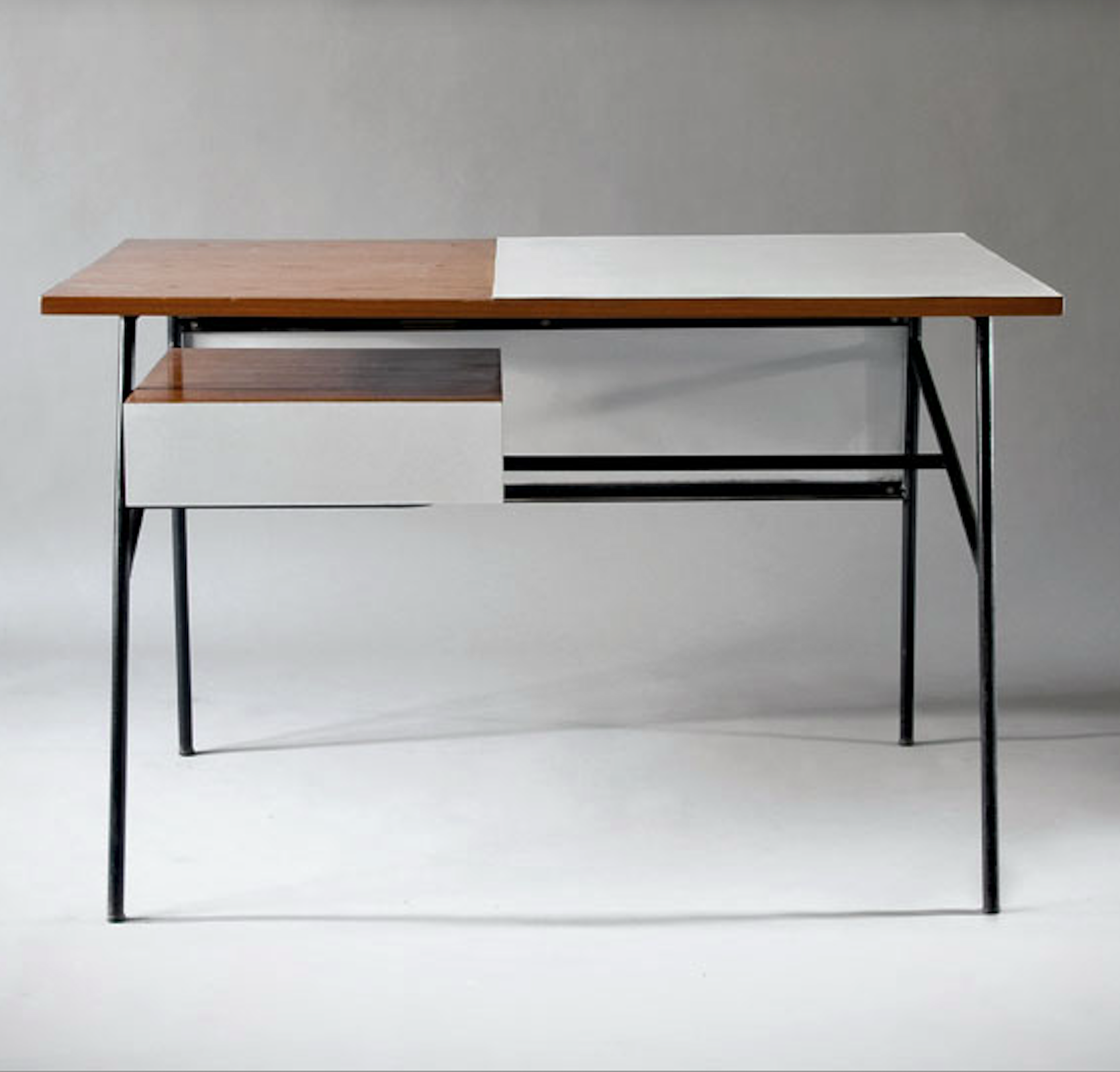
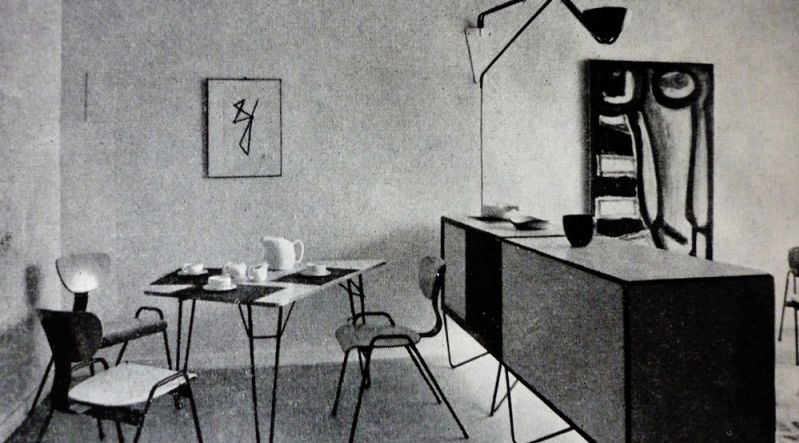
André Monpoix : La rigueur au service de la reconstruction

Figure discrète mais essentielle du design français des années 1950, André Monpoix incarne l’esprit de la reconstruction. Élève de René Gabriel, collaborateur de Meubles TV, il développe un mobilier rigoureux, fonctionnel et moderniste, où métal, formica et bois dialoguent avec justesse. 

Retour sur un créateur encore sous-estimé, dont le bureau présenté au Salon des Arts Ménagers en 1956 demeure un manifeste du fonctionnalisme à la française.

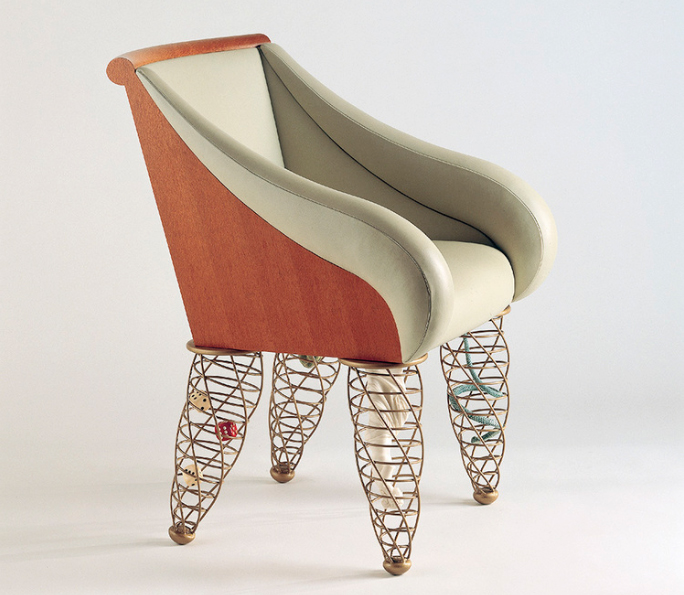
Sylvain Dubuisson: The Manifesto Armchair from Jack Lang's Office

In 1991, when Sylvain Dubuisson designed the Suite ingenue armchair (model GMC-415) for Jack Lang's office at the Ministry of Culture, he did not simply draw a seat. He imagined an object that was political, narrative and symbolic: a piece of furniture able to inhabit a place charged with history while affirming the modernity of a contemporary gesture.

The model belongs to a series of four armchairs produced for the ministerial office at the Palais-Royal, as part of the new interior designed by Dubuisson at the turn of the 1990s.

When Color Disappears, What Do Our Interiors Say?

For several decades, our visual environment has become more uniform. Cities, homes and everyday objects often share the same palette: white, beige, grey and black.

This is not only a personal impression. It reflects a broader cultural change.

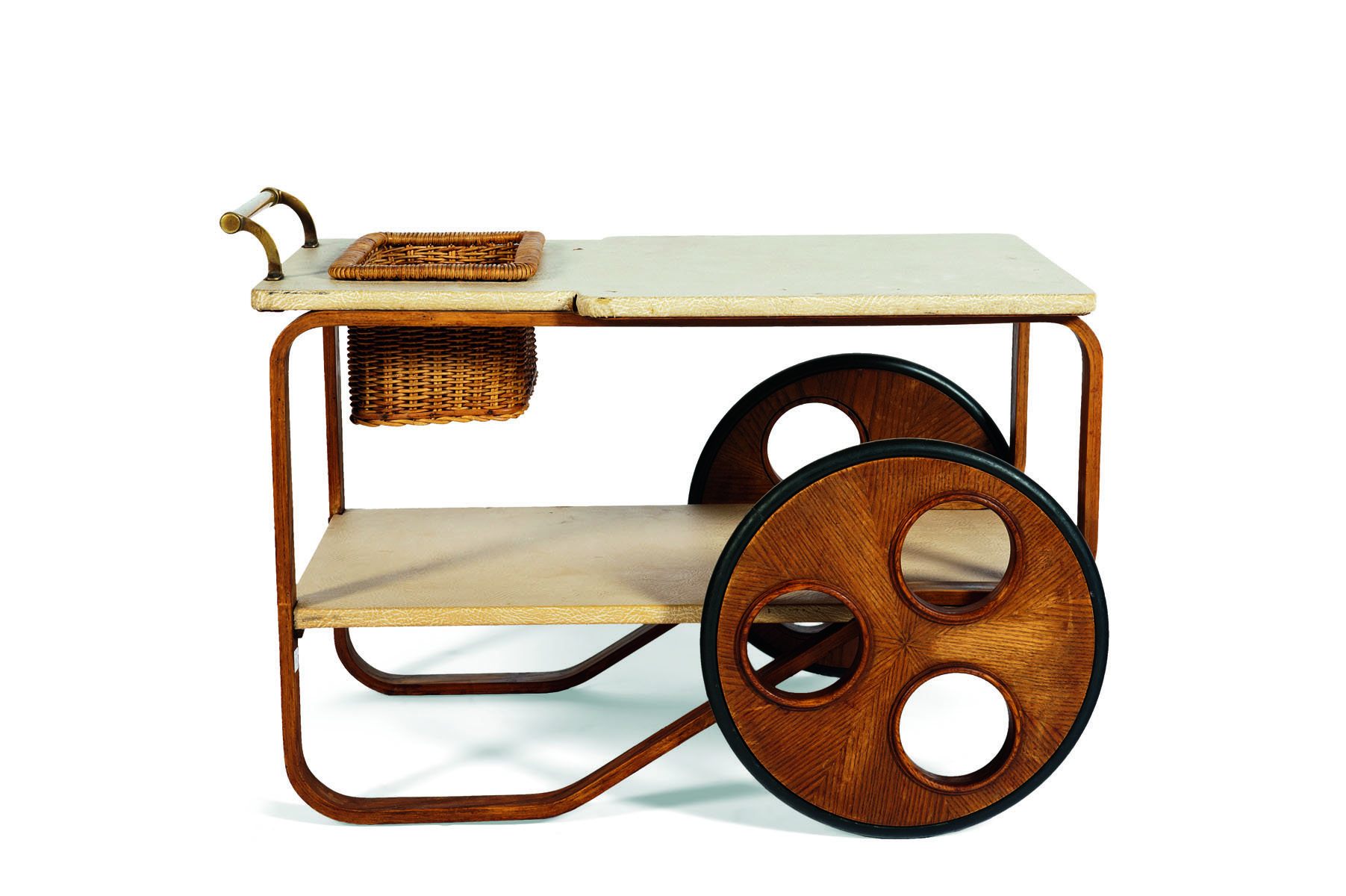
Alvar Aalto: When Modernism Learns to Breathe

Finland, the 1930s. While international modernism imposed straight lines and a rational aesthetic, Alvar Aalto took another path.

Born in 1898, the architect and designer rejected cold, abstract functionalism in favor of a more human modernity, attentive to the body, light and everyday uses.

Willy Van Der Meeren: Functionalism as a Social Project

In a context marked by reconstruction and housing shortages, Willy Van Der Meeren emerged as one of the most coherent figures of Belgian modernism.

An architect and designer trained at La Cambre, he defended a demanding and committed vision of design: creating useful, durable and accessible objects conceived for the greatest number.

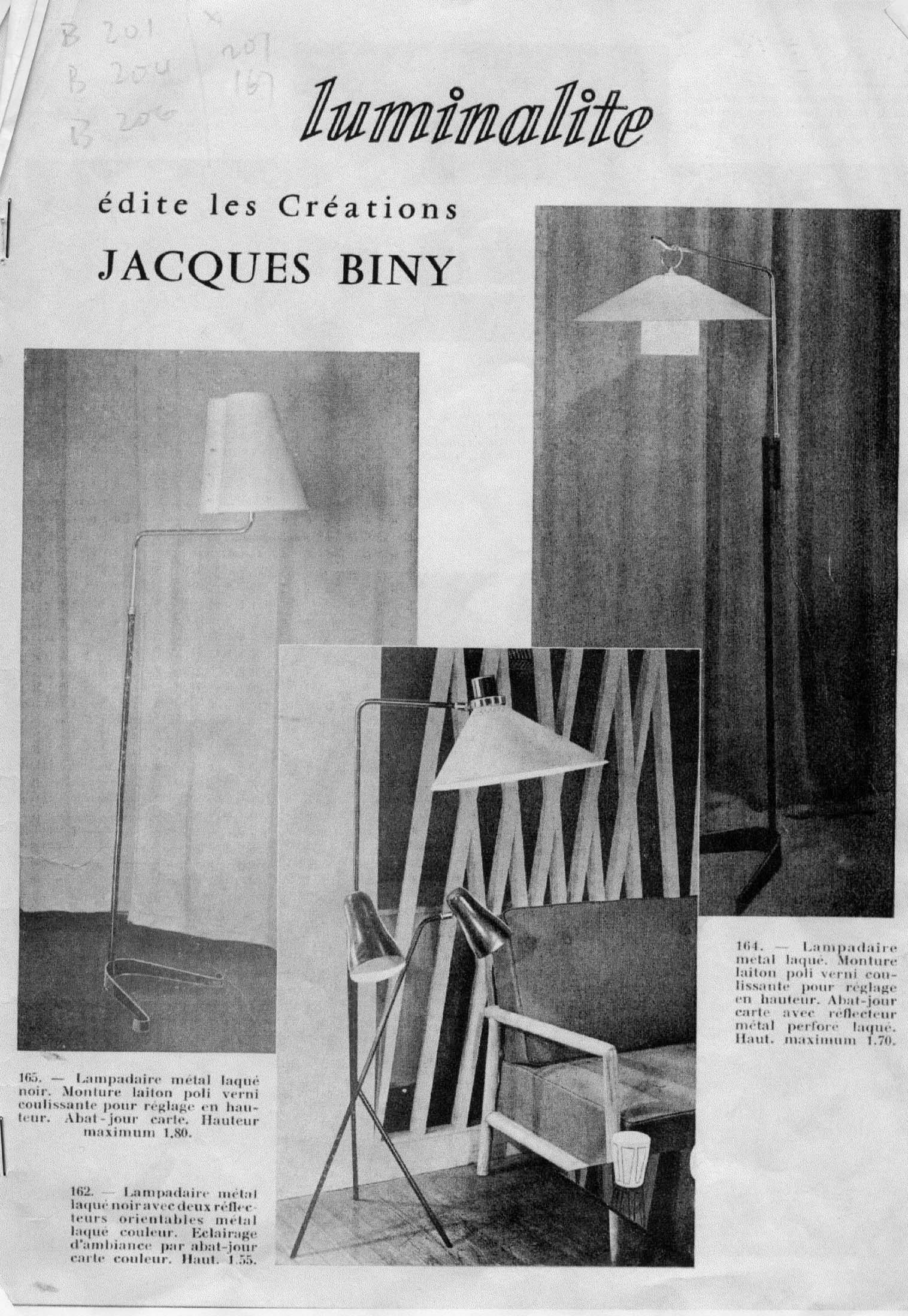
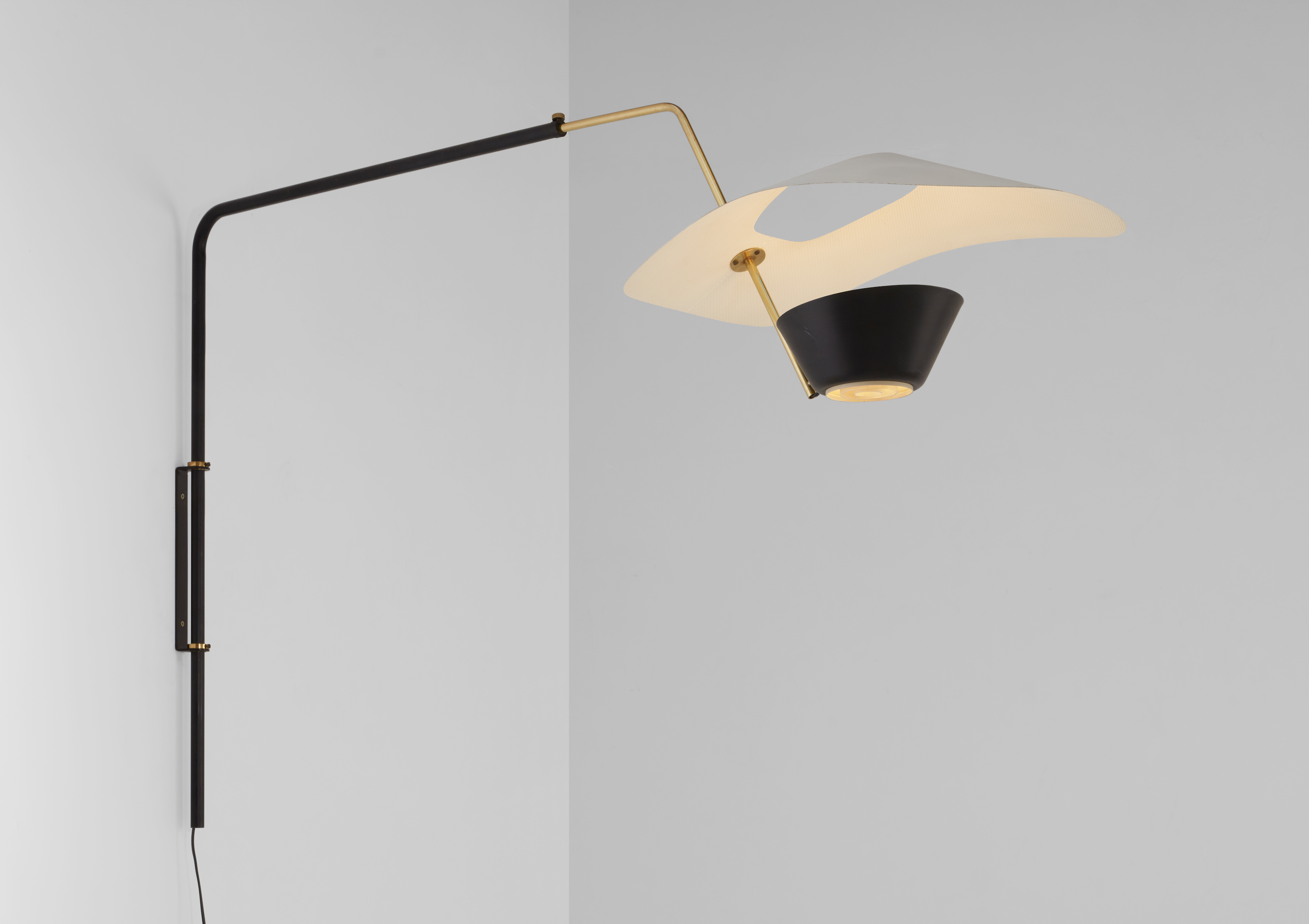
Jacques Biny, Architect of Modern Light

A discreet but essential designer, Jacques Biny left a deep mark on French lighting in the 1950s.

Through a functional, rigorous and elegant approach, he conceived light as a true architectural tool serving modern uses.

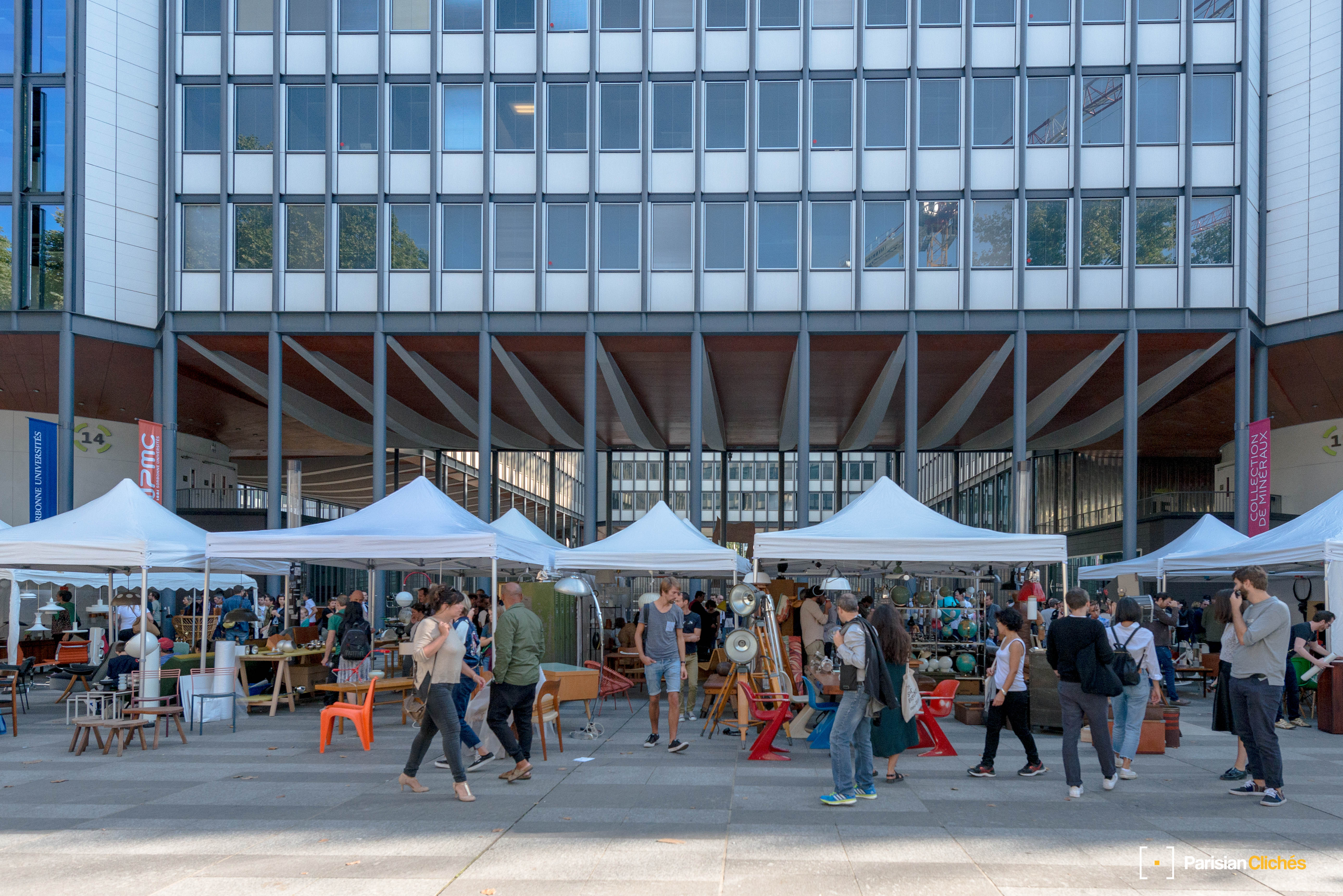
Antique Dealer 2.0

The antique dealer's profession is changing deeply. Without abandoning sourcing, expertise or taste, a new generation of dealers uses digital tools to document, share and sell twentieth-century objects.

The antique dealer is entering the digital age, not to speed up time, but to add meaning.

Pascal Cuisinier
 sur les traces des premiers designers

Le galeriste Pascal Cuisinier est l’auteur d’un ouvrage sur les designers des années 1950 en France. Architecte de formation et philosophe de l’art, il évoque avec nous sa passion inaltérable pour les meubles et luminaires de cette génération qu’il estime encore mal connue et sous-évaluée aujourd’hui.

Top